
The school day
Six things CPDS says about itself, and what each one costs to mean.
Most preschool pages are six adjectives in a row. These six come from the school's own description of its work, and every one of them implies something a teacher has to actually do on a Tuesday afternoon. That is the version below.
Family and community driven
The plan is made with you, not sent to you
CPDS sets out to equip the child and the family with the tools and skills to navigate an ever-changing world. With the teachings of Jesus as a guide, it writes a customized teaching plan for each child, covering academic, spiritual and personal needs. A plan made with a family is a plan a family can argue with, which is the point of writing it down.
Safe, secure, family friendly
A quiet street, and a whole village inside the fence
The school sits in a quiet Chandler neighbourhood with easy access to the 101 and the 202. From garden beds to the sanctuary to the playground, CPDS is woven into the church campus, which the school itself calls a whole village to explore.
A holistic mindset
Learning that will not stay inside a classroom
Music lessons, worship, gardening, and plenty of movement and exercise are all named parts of the week. The stated aim is that by working with families and the community, and by customising each child's plan, the school raises confident and adaptable people.
Faith, family and community
An invitation, extended to everyone
CPDS follows the teachings of Jesus and invites families of all faiths and backgrounds to join in, including at Wednesday chapel and Sunday worship. It also offers service opportunities, so children see the effect of kindness rather than being told about it.
The two that are hardest to fake
And two more that only show up when a day goes wrong.
Modeling great behavior
The grown-ups go first
Productive, healthy behaviour is encouraged by guiding children consistently and by leading them to reflect on the results of their own actions. Teachers model the expectations they hold. Where a child needs something different, the school adjusts to that child's socio-emotional needs, with the family.
Inclusive teaching for real life
Problems solved out loud, then presented
Children learn by doing, solving problems collaboratively and on many levels. Across a semester they document their own learning milestones, and then present them to their families and friends. The presentation is the assessment.
What a semester ends with
A child standing in front of their own family, showing them the milestones they wrote down themselves.
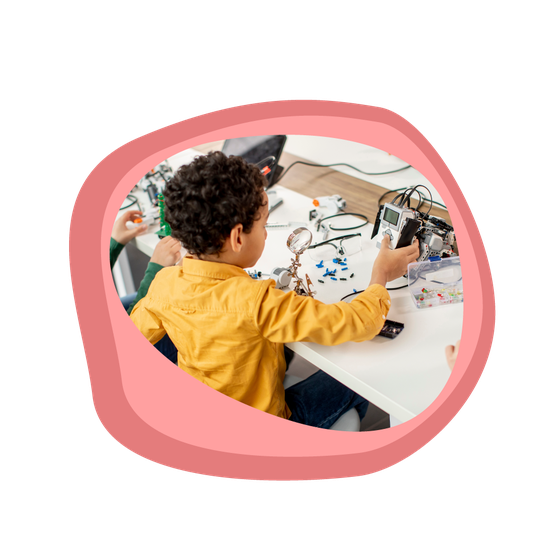
Documented across the semester, presented at the end of it
What is not on this page
Then the four numbers you will have to ask for.
A page should not know things the school has not said. CPDS publishes no ages, no class sizes, no ratios, no hours and no fees, so none of them have been guessed at here. The office answers all four in one reply.
Ages taken, and which rooms they sit in
How many children to a teacher
When the day starts and finishes, and whether there is care around it
Tuition, and what a paused registration means for a start date
Ask them on a weekday, standing in the garden beds.
Registration is paused right now, which makes this the easy moment to visit. Nobody is selling you a place you have to decide on today.